Number 5 was:
5 Try to avoid the use of machinery wherever possible. Rotavator are the worst offender: a greater curse was never laid upon the land than the rotavator. The churning blades cause more damage to soil life than is possible to believe. And using a mechanical digger risks spreading perennial weeds.
I happen to share many of his thoughts and aspirations but would like some clarification about organic machinery use.
Whilst I accept that in a garden situation there can be methods used to reduce and even eliminate machinery use I find their use to be imperative in any commercial organic venture in this country. I had the opportunity to visit a large commercial organic farm 5 miles from where I live and found the visit very enjoyable. The farm grows organic potato seed and peas for organic livestock feed.
The seed potatoes are spaced closer together than normal and the tops are destroyed when the tubers are of the correct ’hens egg type’ type size.
The potatoes are planted and harvested by an outside agency and the farm’s part of the contract is to supply the land and keep the potatoes weed free etc. The amount of mechanical equipment employed in the growing of these organic seed potatoes and peas has to be seen to be believed.
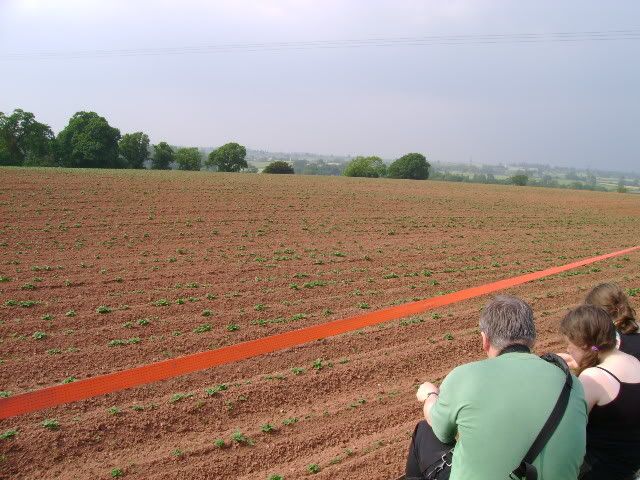
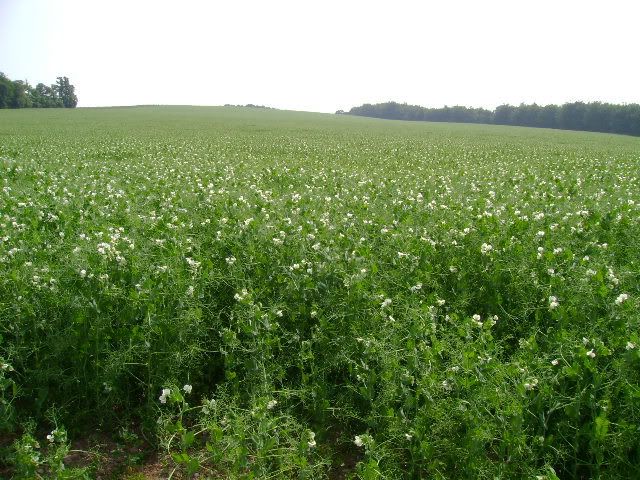
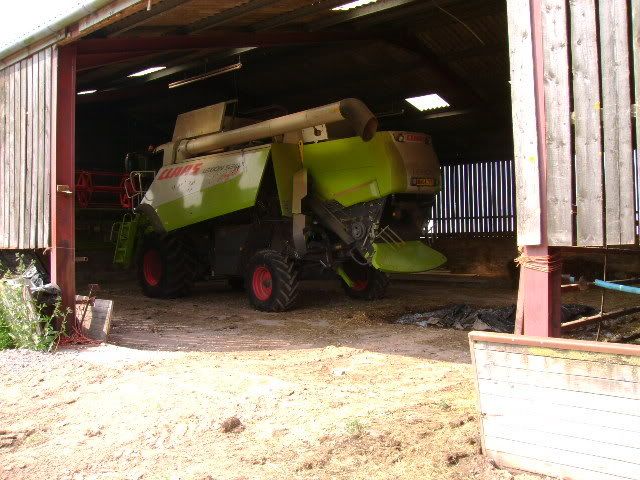
For my part the humble rotavator is a fine piece of equipment and if used with care has many benefits and I can assure you the potato soils above received many passes from a power harrow. Perhaps there is becoming a distinction or some form of demarcation between organic as practiced by a gardener who defines ‘organic’ as – simply a method of working with rather than against nature – and the commercial SA approved organic movement.
Simply an observation
Barney